
I still remember sitting on the floor with my backpack half-open, scraps of colored paper everywhere, trying to finish a last-minute school craft. You’ve been there too, right? That tiny panic mixed with excitement because, honestly, crafts for school can be stressful and fun at the same time. Over the years, I’ve realized that making school projects doesn’t have to feel like a chore. Sometimes you just need simple ideas, clear steps, and a little nudge of inspiration. That’s exactly what I want to share with you here. Whether you’re helping a student, doing it yourself, or just trying to make something that looks “teacher-approved,” this guide will make things easier. No fancy stuff, no perfection pressure—just real, doable crafts that actually turn out cute. So take a breath, grab some paper (and maybe a snack), and let’s make school crafting feel a lot less overwhelming and a lot more fun.
Crafts for School
Crafts for School are all about simple, creative projects that make learning fun and hands-on for kids. These ideas use easy materials and help students explore their imagination while building useful skills.
Paper Plate Animals
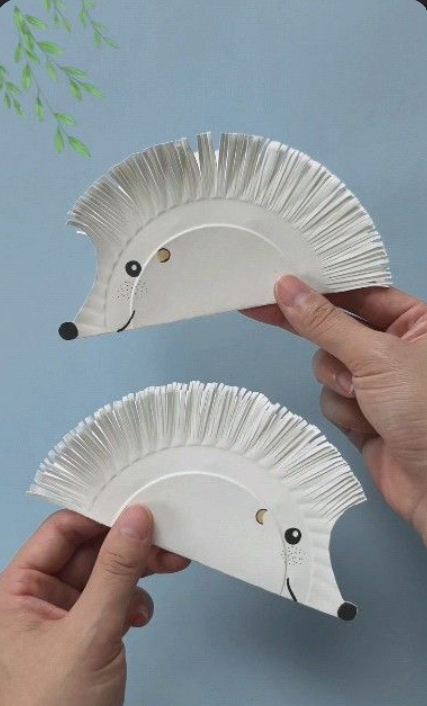
I’ve been making paper plate animals with my students for years, and honestly, it never gets old. There’s something so freeing about grabbing a plain plate and turning it into a lion, penguin, or even a silly-looking panda with crooked ears. In my opinion, the charm is in the imperfections—kids cut things wonky, glue things sideways, and somehow it still turns out adorable. I always tell them, “If it makes you smile, it’s perfect.” And to be fair, that rule works every single time.
To create them, I usually keep a stash of markers, colored paper scraps, googly eyes, and a big glue bottle nearby. The fun part is letting kids pick their animal and simply explore the shapes. Sometimes I join in, and my animals come out looking stranger than theirs. But I’ve found that when they see me messing up and laughing, they loosen up and create more boldly.
Origami Bookmarks
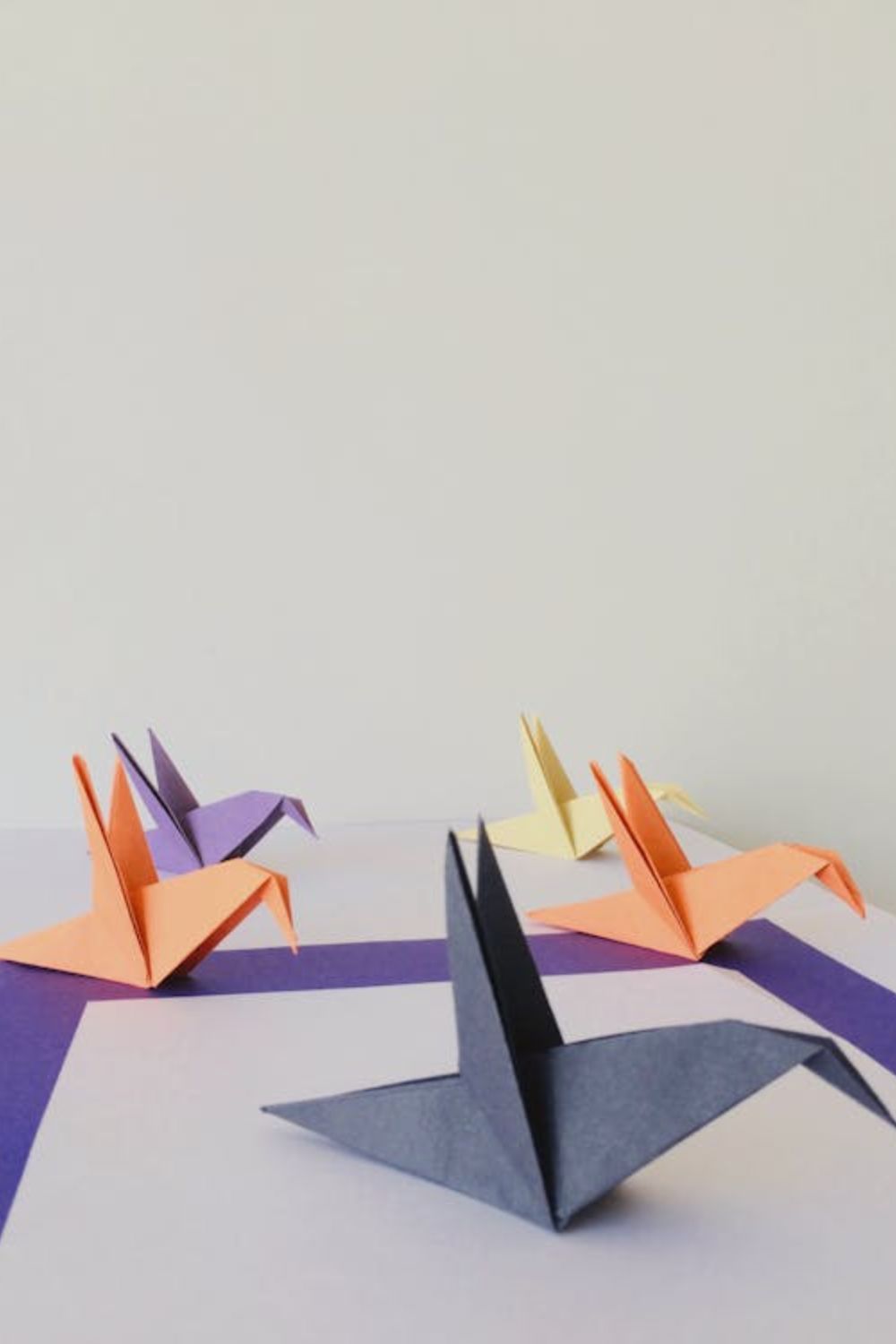
Origami bookmarks are such a lifesaver during busy school weeks. I started making them because I kept losing my own bookmarks and ended up folding notebook corners (don’t judge me!). Eventually, I taught my class how to fold those little corner monsters, and honestly, it turned into one of our favorite calm-down crafts. To be fair, kids love anything that “hugs” the page of their book.
When I guide them, I usually begin with bright square papers—nothing fancy, even leftover gift wrap works. I’ve found that once they get the first fold right, the rest feels like magic. They decorate them with little eyes, tiny teeth, even goofy eyebrows that give personality. My favorite moment is when students proudly slide their new bookmark onto a page and giggle like they just invented something new. And in a way, they did—because each one ends up totally unique.
Bottle Cap Art
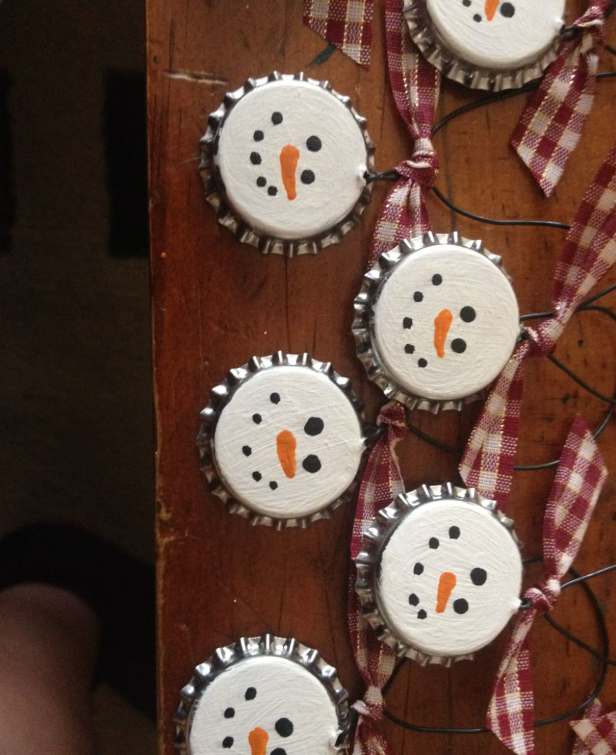
Bottle cap art started for me on a day when the art cupboard was almost empty (we’ve all been there). I had a pile of colorful caps and thought, “Well… why not?” The kids loved the idea far more than I expected. In my opinion, it’s one of the best ways to teach texture and patterns without spending a rupee. We sorted caps by color first, which honestly turned into a mini math lesson without anyone realizing.
To make the artwork, I give the kids cardboard bases and strong glue. I’ve found that arranging the caps like mosaic tiles becomes weirdly relaxing for them. Sometimes they make flowers, sometimes animals, and sometimes just abstract patterns that surprise me. And the best part? It always looks like modern art—bright, bold, slightly messy, but completely joyful. Every time, I think, “Wow, we made this from trash?”
Popsicle Stick Puppets
Popsicle stick puppets remind me of the plays we used to put on during free periods. I swear, kids get ten times more dramatic when they’re hiding behind a puppet. Honestly, that’s what makes this craft so fun—it encourages storytelling without the pressure of being “seen.” In my opinion, it’s also one of the easiest crafts to pull out on a chaotic school day.
All you need are popsicle sticks, paper cutouts, markers, and tape or glue. I’ve found that when kids design their own puppet characters—maybe a superhero, a cute animal, or even a grumpy teacher—they connect more deeply with the activity. After making them, we often create mini puppet shows. The voices they come up with? Hilarious. And yes, sometimes they make a puppet version of me. Slightly embarrassing, but to be fair, it’s always done with love.
Handprint Trees
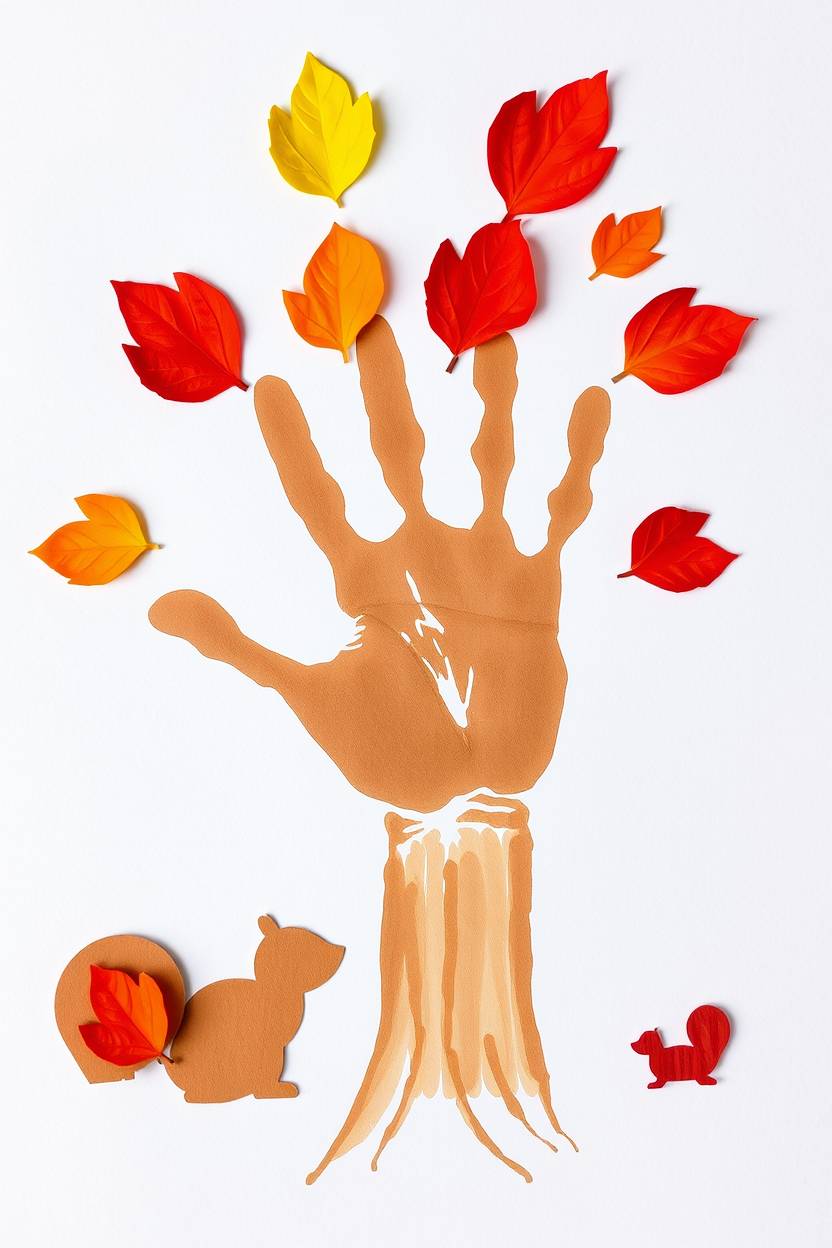
Handprint trees are one of those crafts that feel nostalgic no matter how many times I make them. There’s just something sweet about capturing a tiny handprint and turning it into art. In my opinion, it’s like freezing a moment in time—kids grow so fast, and these little prints feel extra special. Honestly, parents always melt when they see them.
I usually start with brown paint for the trunk and branches (using the child’s hand), then hand them sponges or cotton balls dipped in various leaf colors. I’ve found that kids love dabbing the colors all over the page to create “seasonal trees”—cherry blossom pink, monsoon green, autumn orange. Sometimes they go wild and create rainbow trees, and to be fair, those always steal the show. It’s messy, meaningful, and surprisingly calming.
Straw Bridges
Straw bridges started as a fun engineering challenge in my classroom, and I didn’t expect the kids to get so competitive about it. Honestly, they take it very seriously—testing weight, reinforcing joints, even arguing over “bridge strategy.” In my opinion, this is one of the coolest hands-on STEM crafts for school.
We use simple straws, tape, and sometimes string. I’ve found that triangular shapes work best, and when kids discover this on their own, the excitement is priceless. They test the bridge with erasers or tiny toys, and every time one collapses, the entire room erupts in laughter. But the best part? When a delicate-looking bridge surprisingly holds up more weight than expected. It’s a craft that teaches patience, teamwork, and the joy of small victories.
DIY Pencil Holders
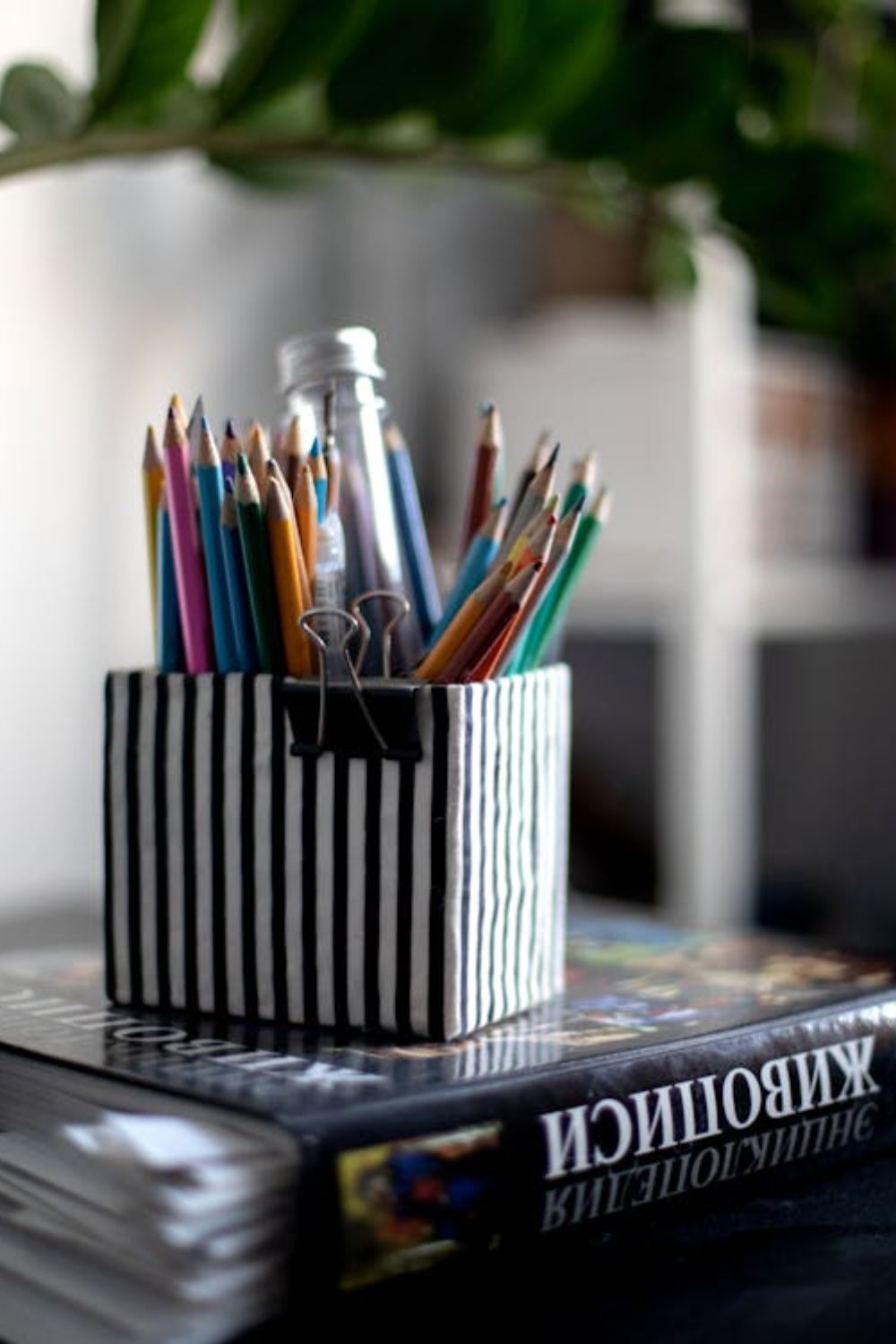
DIY pencil holders save my desk every single year. I used to think decorating tin cans or cardboard tubes was too simple, but honestly, kids love personalizing their own little desk buddy. In my opinion, it gives them a sense of ownership over their space.
We wrap the cans in colored paper, old magazine strips, or even leftover fabric. I’ve found that adding buttons, stickers, or yarn elevates it instantly. Sometimes the kids write their names in big funky letters, sometimes they cover it in doodles. And to be fair, these pencil holders last way longer than the store-bought ones. Every time I see them neatly lined up on their desks, I feel this weird little teacher pride—like we built our own tiny organized world.
Yarn-Wrapped Letters
Yarn-wrapped letters are one of those crafts that look fancy but are surprisingly easy—my favorite combination. Honestly, I started making them because I wanted something cute for a classroom shelf. In my opinion, the colorful yarn gives such a soft, cozy vibe.
Kids pick the first letter of their name, and we wrap cardboard cutouts with yarn. I’ve found that the trick is to secure the first knot really well; after that, it’s all about looping and layering. They get so focused—like it becomes a quiet meditation. Sometimes they mix colors or add tiny embellishments, and to be fair, the results always look like personalized décor pieces you’d find in a gift shop. It’s simple, satisfying, and a big confidence booster for young crafters.
Paper Flower Bouquets
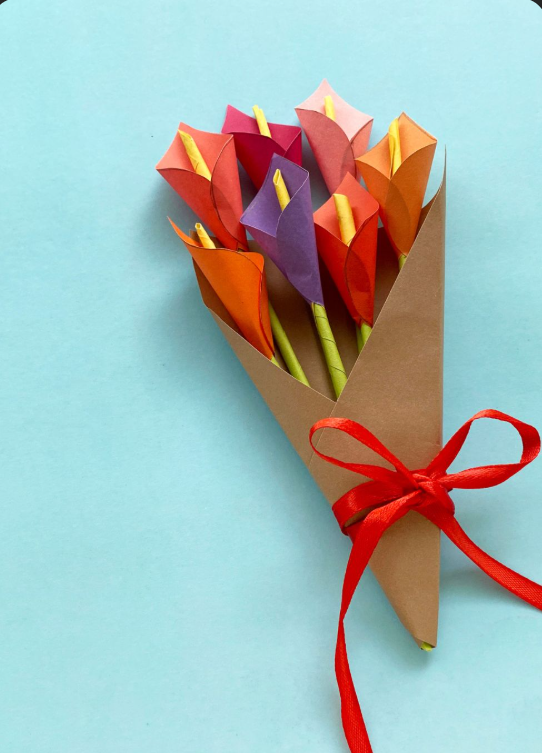
Paper flower bouquets always bring out the biggest smiles—there’s just something magical about making flowers that never wilt. Honestly, I think I get just as excited as the kids. In my opinion, it’s one of the prettiest crafts we make in school.
We use colored paper, glue, and straws or sticks for stems. I’ve found that accordion folding works great for petals, but kids love experimenting—curling edges, mixing colors, even adding glitter (which I pretend to dislike but secretly enjoy). When they gather the flowers into a bouquet, the whole room feels brighter. And to be fair, these bouquets have saved me countless times for last-minute Teacher’s Day or Mother’s Day gifts. It’s heartfelt, cheerful, and surprisingly therapeutic.
Cardboard Robots
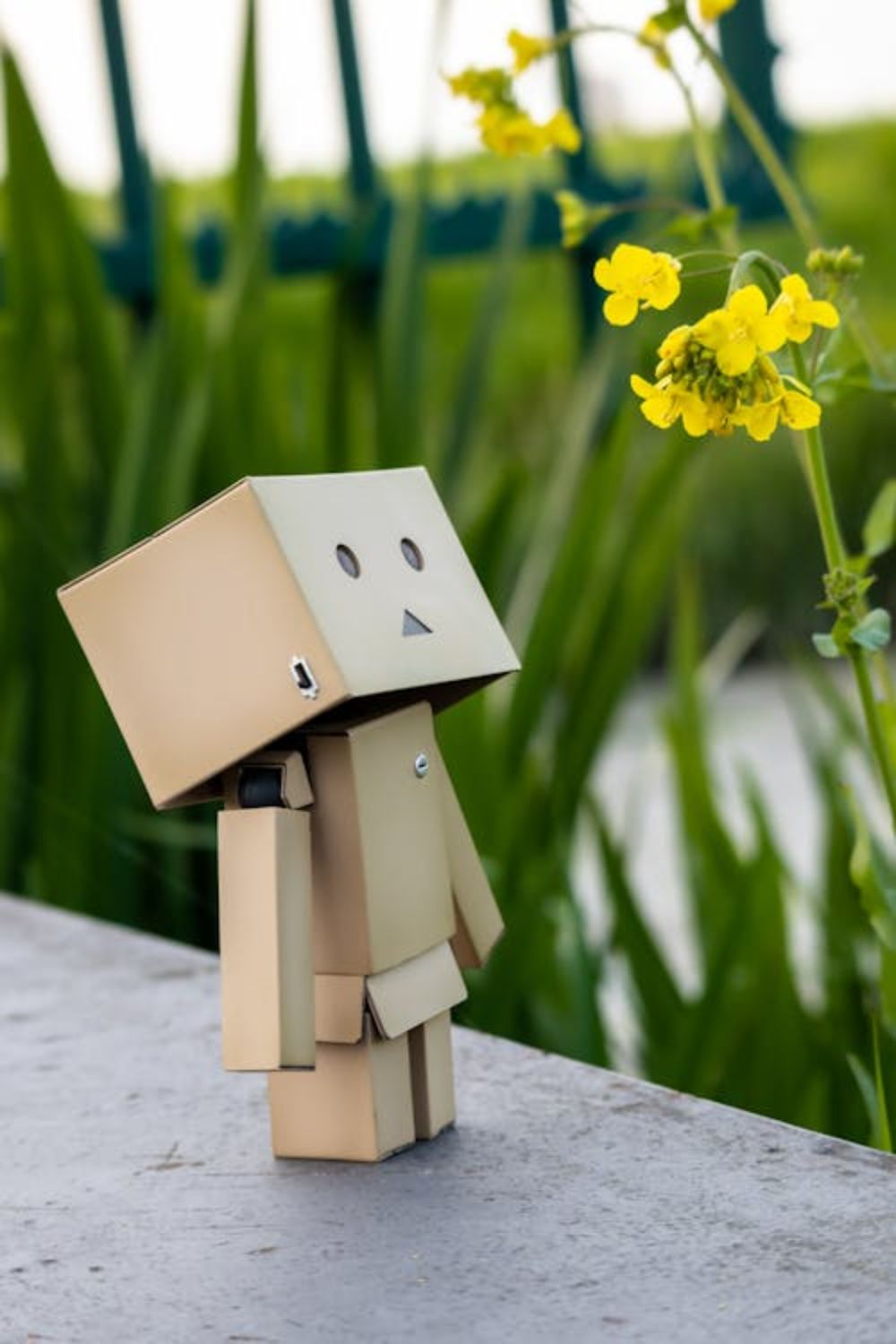
Cardboard robots bring out the little engineers hiding inside every child. Honestly, the creativity I’ve seen with this craft blows my mind—robots with wings, robots that “talk,” robots with funky antennae. In my opinion, cardboard is the most underrated material for imagination.
We use small boxes, tubes, foil, buttons—whatever we can find. I’ve found that kids love designing the robot’s “face” first; the personality starts there. Then they stack and attach pieces with tape or glue, adding arms and gadgets. Sometimes the robots turn out lopsided, and to be fair, those are my favorites—they look like they’ve lived an interesting life. This craft gets messy but in the best way possible.
Sticker Mosaic Cards
Sticker mosaic cards are my go-to craft when the class is tired but still wants to make something pretty. Honestly, stickers have this magical ability to make kids instantly happy. In my opinion, mosaics help them learn patience without feeling pressured.
We use small square or circular stickers, and I’ve found that giving them a simple outline—like a heart, star, or flower—helps them stay organized. They fill the shape with stickers like tiny tiles, and the finished cards always look way more polished than you’d expect. To be fair, I get weirdly addicted to this craft too and sometimes sit with them making my own card. It’s peaceful, neat, and perfect for quick classroom wins.
Mini Paper Lanterns
Mini paper lanterns instantly make the classroom feel festive. Honestly, I started making them during Diwali week and never stopped—they’re too cute. In my opinion, they’re also a great introduction to cutting and folding skills.
We fold a paper in half, make evenly spaced cuts, unfold it, and roll it into a lantern shape. I’ve found that using bright, contrasting colors adds a little extra charm. Kids love hanging them on strings across the room, and the whole space transforms. To be fair, even the slightly crooked lanterns look great when they’re all strung together. It’s a simple craft but one that creates such a big visual impact.
Newspaper Baskets
Newspaper baskets happened by accident—I was trying to clean up old papers, and the kids turned them into a weaving session. Honestly, it’s one of the most eco-friendly crafts we do, and in my opinion, weaving teaches patience like nothing else.
We roll newspaper strips tightly, weave them over and under, and shape them into a small basket. I’ve found that clothespins help hold everything in place while the glue dries. Kids love painting the baskets afterward, giving them bright, cheerful colors. And to be fair, they make surprisingly sturdy organizers for crayons or snacks. Every basket feels like a small victory in recycling.
Balloon-Powered Cars
Balloon-powered cars are chaotic, noisy, and unbelievably fun. Honestly, when we first tried it, I didn’t expect them to zoom so fast across the floor. In my opinion, it’s one of the best ways to sneak science into craft time.
We use bottle caps for wheels, straws for axles, and a balloon attached to the back. I’ve found that the lighter the base, the faster the car. Kids run around racing them, adjusting designs, experimenting with bigger balloons. To be fair, half the fun is when the balloon deflates mid-race and the car spins in circles. It’s energetic, hilarious, and always a class favorite.
Classroom Collage Art
Classroom collage art is my way of bringing everyone together, especially on days when I want the room to feel connected. Honestly, there’s something magical about seeing 30 different hands contribute to one big artwork. In my opinion, it’s one of the most meaningful crafts we do.
I lay out magazines, newspapers, scrap paper, and glue sticks. I’ve found that giving a theme—like “Our Dreams” or “The World We Want”—helps kids choose images thoughtfully. They cut, paste, talk, laugh, and somehow create a piece that feels like our collective story. And to be fair, these collages end up being some of the most beautiful displays on our classroom walls. It’s messy unity at its best.
Tips for Teachers & Parents
Craft time in school becomes so much easier when you have a simple system and the right approach. These tips help make every activity smoother, safer, and more meaningful for kids.
-
Keep a craft supply box ready
Have a small storage box with essentials like glue, scissors, crayons, paper scraps, and tape. This saves time and keeps everything organized for quick activities. -
Choose age-appropriate materials
Pick tools and supplies that match the child’s age and skill level—safe scissors for younger kids, simple steps for beginners, and more detailed projects for older students. -
Demonstrate each step clearly
Show kids what to do instead of just telling them. A quick demo helps them understand the process better and keeps the whole activity more manageable. -
Add a learning element to each craft
Connect the craft to a lesson—colors, shapes, seasons, animals, math patterns, or storytelling. This makes the craft fun and educational. -
Encourage creativity instead of perfection
Let kids experiment with their own colors, shapes, or ideas. Celebrate effort and imagination rather than expecting each craft to look the same.
FAQ
What are some easy crafts for school?
Simple projects like paper plate animals, origami bookmarks, popsicle stick puppets, and sticker mosaic cards are great because they require minimal materials and prep.
How do I choose the right craft for different age groups?
Pick activities based on skill level—young kids need simple, safe, and quick crafts, while older students enjoy detailed tasks like cardboard models or STEM-based projects.
What materials are safe for classroom crafts?
Non-toxic glue, child-safe scissors, washable paints, soft paper, and blunt tools are ideal. Always check labels and avoid small items for very young children.
How can I make school crafts educational?
Add elements that connect to class lessons—shapes, numbers, seasons, science topics, or storytelling themes. Crafts become more meaningful when linked to learning.

Hi, I’m Victoria, an art and craft teacher at Newark City Schools, where I have the joy of working with middle school students to help them explore their creativity and develop their artistic talents. I believe that art is a powerful way for students to express themselves, and I strive to make every lesson a fun, engaging, and inspiring experience.
I created this website to share the art and craft projects, techniques, and resources that I use in my classroom, hoping to inspire both educators and young artists alike. Whether you’re a teacher looking for new ideas or a student eager to try something new, I’m excited to provide creative tools and projects that anyone can enjoy.
When I’m not in the classroom, I love experimenting with different art forms and learning new crafting techniques. My goal is to help others discover the joy of making things with their hands, and I hope my website serves as a space for everyone to explore their creative potential.