
Last spring, I remember standing in my living room thinking, “Why does everything still feel like winter?” The calendar said March, but my space? Still heavy blankets, dark colors, zero fresh vibes. Maybe you’ve felt that too — like your home just needs a little reset. That’s when I started playing around with some simple Primitive Spring Decor Ideas, and honestly, it changed the whole mood of my house.
If you love that cozy, rustic charm — the kind with distressed wood, soft florals, and vintage touches — primitive style in spring is such a sweet mix. It’s not about buying all new stuff (who has the budget for that anyway?). It’s about small swaps: lighter fabrics, handmade accents, maybe a few mason jars with wildflowers.
In this article, I’ll share easy, budget-friendly Primitive Spring Decor Ideas that feel warm, welcoming, and totally doable — even if you’re not super “crafty.” Let’s freshen things up, shall we?
Primitive Spring Decor Ideas
When spring finally rolls around, it just feels right to give your home a little refresh — nothing fancy, just warm and welcoming. Primitive Spring Decor Ideas are perfect if you love that cozy, rustic charm mixed with soft seasonal touches.
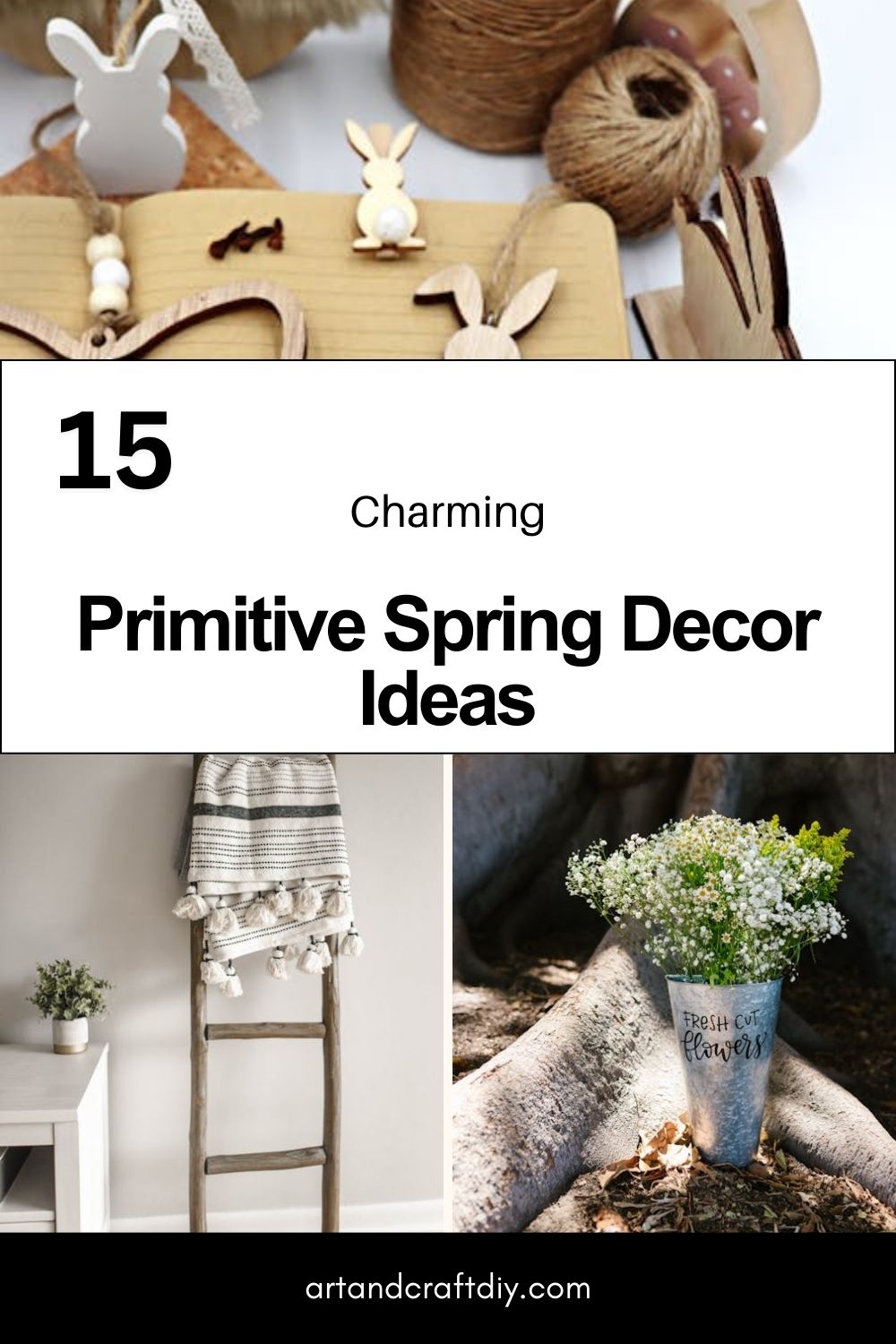
Rustic Wooden Bunny Accents
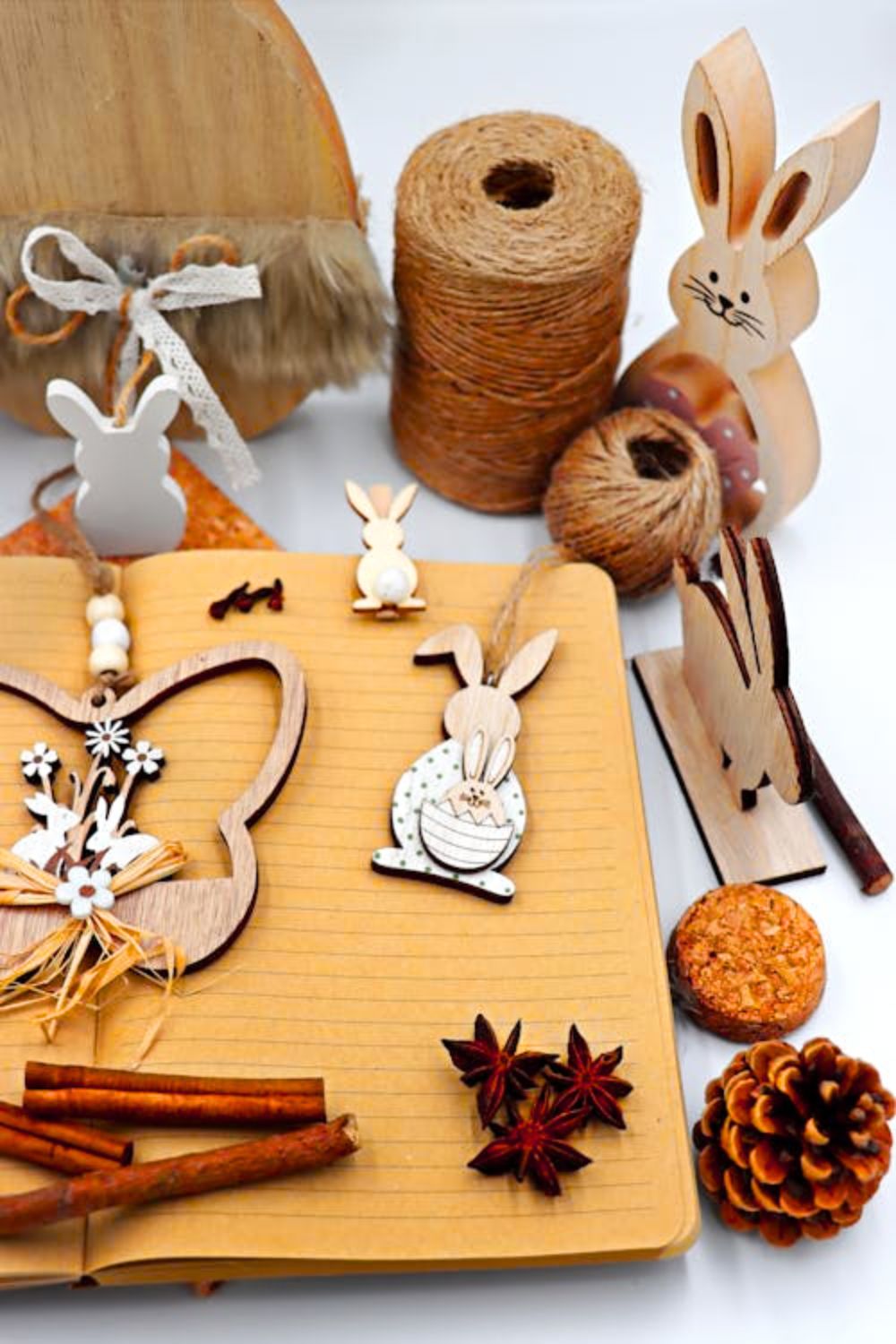
Honestly, nothing says primitive spring to me like a few rustic wooden bunnies tucked around the house. I’ve found that when the wood is a little rough, maybe even slightly uneven, it actually looks better. Too polished and it loses that old-time charm. I usually grab unfinished wooden bunnies from a local craft shop and lightly sand the edges myself. Sometimes I whitewash them, sometimes I leave them raw. In my opinion, the imperfect ones always win.
Last year, I placed two wooden bunnies on my entryway table with some dried moss and old books, and guests kept touching them because they felt so authentic. To be fair, you don’t need to overthink it. Just pair them with natural textures like twine or linen. Keep the colors soft and earthy. Primitive spring decor should feel simple, almost accidental, like it just came together naturally.
Mason Jar Wildflower Arrangements
I’ll admit, I have a slight obsession with mason jars. They just belong in primitive spring decor. I’ve found that wildflowers—real or faux—work so much better than perfect roses. The slightly messy look feels more honest. I usually go for daisies, baby’s breath, or even tiny branches from my yard.
What I do is wrap a bit of jute twine around the jar’s neck and sometimes lightly distress the glass with chalk paint. It sounds fancy, but it’s really not. Honestly, the less you try to make it perfect, the better it turns out. Place them on windowsills or kitchen counters. The sunlight hitting those jars? It gives such a warm, farmhouse glow. To me, it feels like spring in the countryside, even if you’re living in the middle of the city.
Distressed Wood Wall Signs
In my opinion, distressed wood wall signs are the heart of primitive decor. I’ve made a few myself, and trust me, they look better when they’re not perfect. I usually choose simple words like “Welcome” or “Home” in faded white paint over dark wood.
One time, I accidentally over-sanded a sign, and instead of throwing it away, I kept it. Honestly, it ended up being my favorite piece. The chipped edges and uneven paint gave it character. If you’re making your own, use sandpaper generously and don’t stress about straight lines. Mount it slightly off-center on purpose. Primitive style thrives on that lived-in, collected-over-time feeling. It shouldn’t look like you bought everything in one shopping trip.
Vintage Watering Can Displays
There’s something about an old metal watering can that just feels right in spring decor. I found one at a flea market years ago, slightly dented and rusty. To be fair, that rust is exactly what makes it special.
I like filling mine with faux lavender or eucalyptus and placing it near the fireplace or on the porch. If you can’t find a real vintage one, you can lightly sand and age a newer metal can. I’ve tried that too. Add a bit of chalk paint and rub it off in spots. It’s surprisingly easy. The key is not to overfill it. Let the greenery spill out naturally. It should look like you just walked in from the garden and set it down.
Burlap Table Runners
I used to think burlap was too rough, but honestly, that texture is what makes it beautiful in primitive decor. I’ve found that laying a simple burlap runner across a wooden table instantly warms up the space.
Sometimes I fray the edges just a little more for that handmade feel. It’s not supposed to be neat. Layer it over a white or cream tablecloth if you want contrast. I once hosted a small spring brunch and used burlap with simple white plates and mason jar centerpieces. Everyone commented on how cozy it felt. In my opinion, burlap grounds the whole room. It keeps spring decor from feeling too bright or overly sweet.
Handmade Fabric Tulips
To be fair, I’m not always great at sewing, but handmade fabric tulips are surprisingly forgiving. I’ve made them from old cotton scraps, and the slight uneven stitching actually adds to their charm.
I usually choose soft pastel fabrics and stuff them lightly so they don’t look too stiff. Tie them with twine and place them in a wooden bowl or small bucket. Honestly, they last forever compared to real flowers, and you can reuse them every spring. I remember making a batch while watching a movie, thinking they wouldn’t turn out well, but they ended up being one of my favorite pieces. They add that subtle pop of color without overpowering the primitive vibe.
Galvanized Metal Buckets with Greens
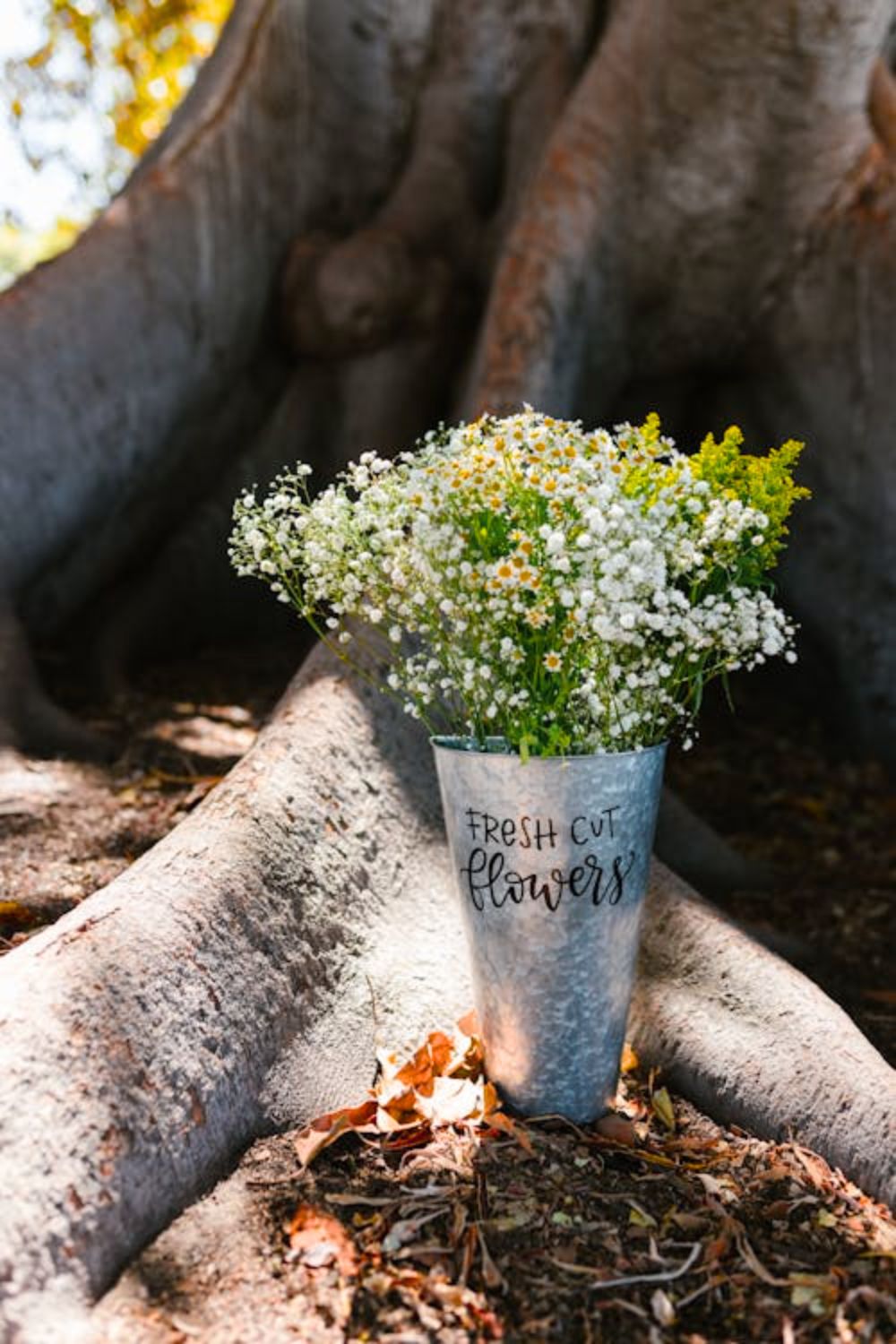
Galvanized metal buckets are one of my go-to pieces. I’ve found them at thrift stores, and sometimes they’re a bit scratched or faded—which is perfect. Fill them with faux greenery, boxwood, or even simple branches.
In my opinion, keeping the greens neutral works best. Bright flowers can sometimes feel too modern. I place one bucket near the front door and another in the kitchen corner. Honestly, they make the space feel fresh without trying too hard. If the bucket looks too new, lightly sand it or dab on a bit of matte paint. Primitive decor is about subtle aging, not shine.
Primitive Ladder Blanket Display
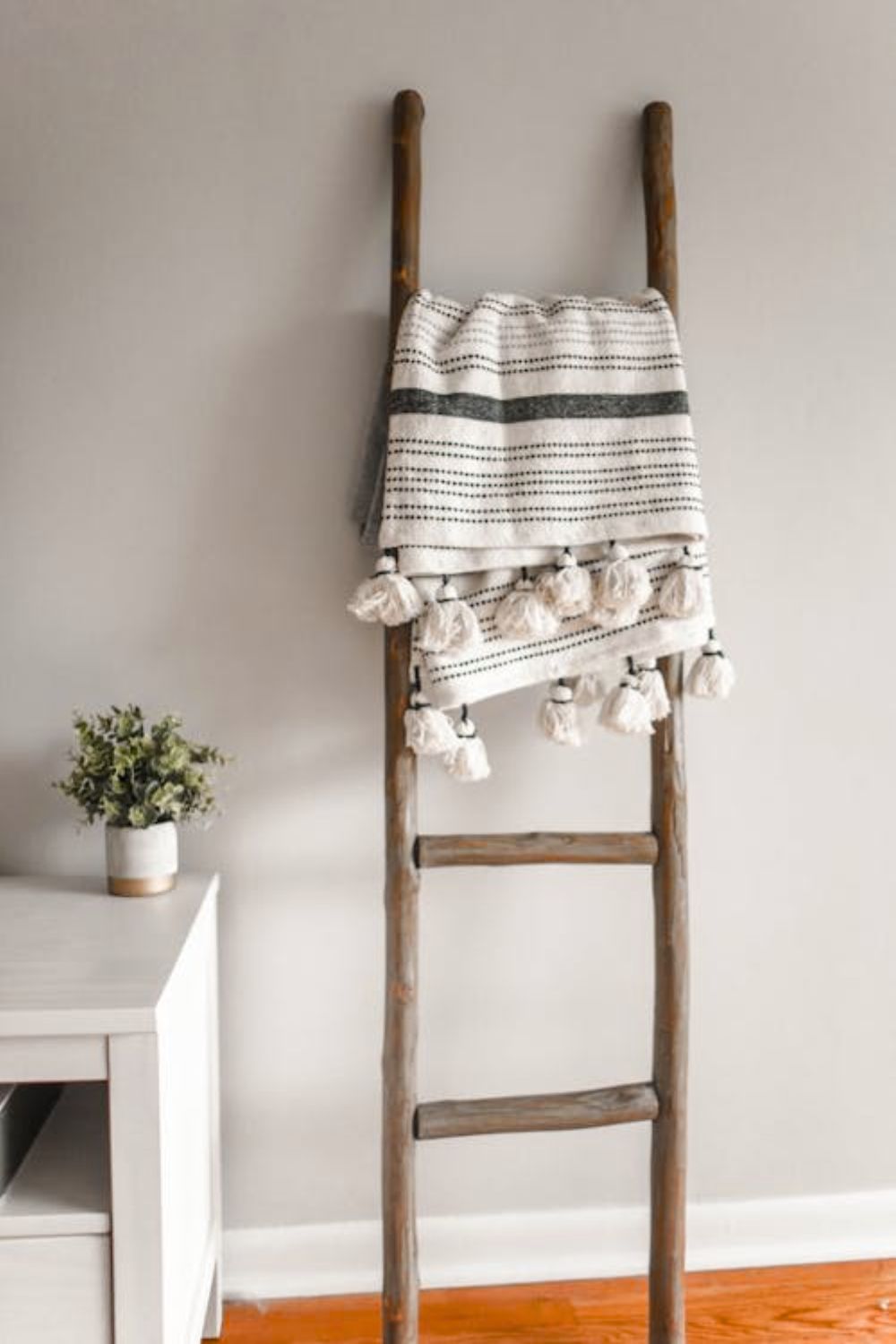
I’ll be honest, I wasn’t sure about decorative ladders at first. But once I tried a primitive wooden ladder leaning against the wall, I was sold. I drape lightweight spring blankets or pastel quilts over the rungs.
I’ve found that mixing textures works beautifully—maybe one quilt, one thin throw, and one simple linen piece. Don’t stack them perfectly. Let them hang slightly uneven. That’s the charm. Last spring, I added a small wreath to the top of the ladder, and it became a little focal point in the room. It feels cozy but still seasonal. In my opinion, it’s one of the easiest ways to add height and interest.
Antique Window Frame Wall Decor
There’s something magical about old window frames. I once found one at a yard sale with peeling white paint, and I didn’t even repaint it. I just cleaned it and hung it as it was.
You can attach a small wreath in the center or let it stand alone. I’ve found that placing it above a console table with candles and greenery creates such a layered look. Honestly, the chipped paint and worn wood tell a story. Primitive spring decor should feel like it has history. Even if you buy a reproduction piece, distress it a bit. Make it feel like it’s been around for years.
Farmhouse Style Wreath with Florals
I love making farmhouse-style wreaths in early spring. In my opinion, they should look slightly undone. I use grapevine wreath bases and tuck in soft florals like cream roses, lavender, and eucalyptus.
Sometimes I step back and think it looks too messy, but honestly, that’s when it’s perfect. Add a burlap bow or leave it simple. I hang mine on the front door, but I’ve also placed smaller ones on cabinets. The key is balance—don’t overcrowd it. Primitive decor thrives on simplicity. It should feel welcoming, not flashy.
Wooden Crate Centerpieces
Wooden crates are so versatile. I’ve used them on dining tables, coffee tables, even in the bathroom. I usually fill them with mason jars, small potted greens, or candles.
One time, I layered moss at the bottom and added fabric tulips, and it looked like a tiny spring garden. Honestly, the crate doesn’t need to be perfect. Scratches and faded paint add character. If it’s too new, sand it lightly or stain it darker. In my experience, wooden crates tie everything together. They create that grounded, farmhouse feel that primitive decor is known for.
Soft Pastel Quilted Throws
There’s nothing more comforting to me than a soft pastel quilt draped over a chair. I’ve found that faded pinks, light blues, and muted yellows work beautifully for spring without feeling too bright.
I usually fold them casually over an armchair or bench. Don’t make it too neat. Primitive style should look lived-in. I remember my grandmother’s old quilt that had tiny imperfections in the stitching, and honestly, that’s what made it special. Try layering a quilt with burlap or linen textures nearby. It creates depth and warmth. In my opinion, quilts bring heart into primitive spring decor. They make a space feel personal and welcoming, not staged.

Hi, I’m Victoria, an art and craft teacher at Newark City Schools, where I have the joy of working with middle school students to help them explore their creativity and develop their artistic talents. I believe that art is a powerful way for students to express themselves, and I strive to make every lesson a fun, engaging, and inspiring experience.
I created this website to share the art and craft projects, techniques, and resources that I use in my classroom, hoping to inspire both educators and young artists alike. Whether you’re a teacher looking for new ideas or a student eager to try something new, I’m excited to provide creative tools and projects that anyone can enjoy.
When I’m not in the classroom, I love experimenting with different art forms and learning new crafting techniques. My goal is to help others discover the joy of making things with their hands, and I hope my website serves as a space for everyone to explore their creative potential.