
Oh man, I still remember the first time I tried doing a nature craft with my little cousin—it was one of those afternoons where we had zero plans, and honestly, I wasn’t sure how it would go. We ended up covered in leaves, twigs, and a little mud, but the look on his face when he glued the tiniest acorn onto his “forest creature” was priceless. That’s the thing about nature craft for kids—it’s messy, yes, but it’s also magic in the simplest form. I know how tricky it can feel to come up with something creative that actually keeps them entertained without turning your living room into a disaster zone. But don’t worry, I’ve got you. In this article, I’m sharing super easy, fun, and totally do-able nature craft ideas that kids will love. You’ll get the lowdown on materials, step-by-step tips, and a few clever tricks to make it stress-free. Trust me, your inner kid will thank you too.
Nature Craft for Kids
Nature crafts for kids are a fun way to explore creativity using leaves, flowers, rocks, and other natural materials. They help children learn about nature while making exciting, hands-on art projects.
Leaf Printing

Honestly, leaf printing is one of those crafts that feels magical every single time. I remember last summer, my niece and I went on a walk just to collect the craziest leaves we could find. Big, tiny, jagged, smooth—anything that looked fun. I’ve found that using a sponge brush to dab paint on the leaf works way better than brushing directly. Once you press it onto paper, it feels like the leaf is leaving a secret message.
To be fair, it can get a bit messy—paint everywhere, tiny leaf bits stuck on your hands—but that’s part of the fun. I usually end up with a colorful pile of prints that I can’t stop staring at. You can mix colors, overlap prints, or even try them on fabric. Kids get super proud when they see their “leaf art” hanging on the fridge, trust me.
Flower Pressing
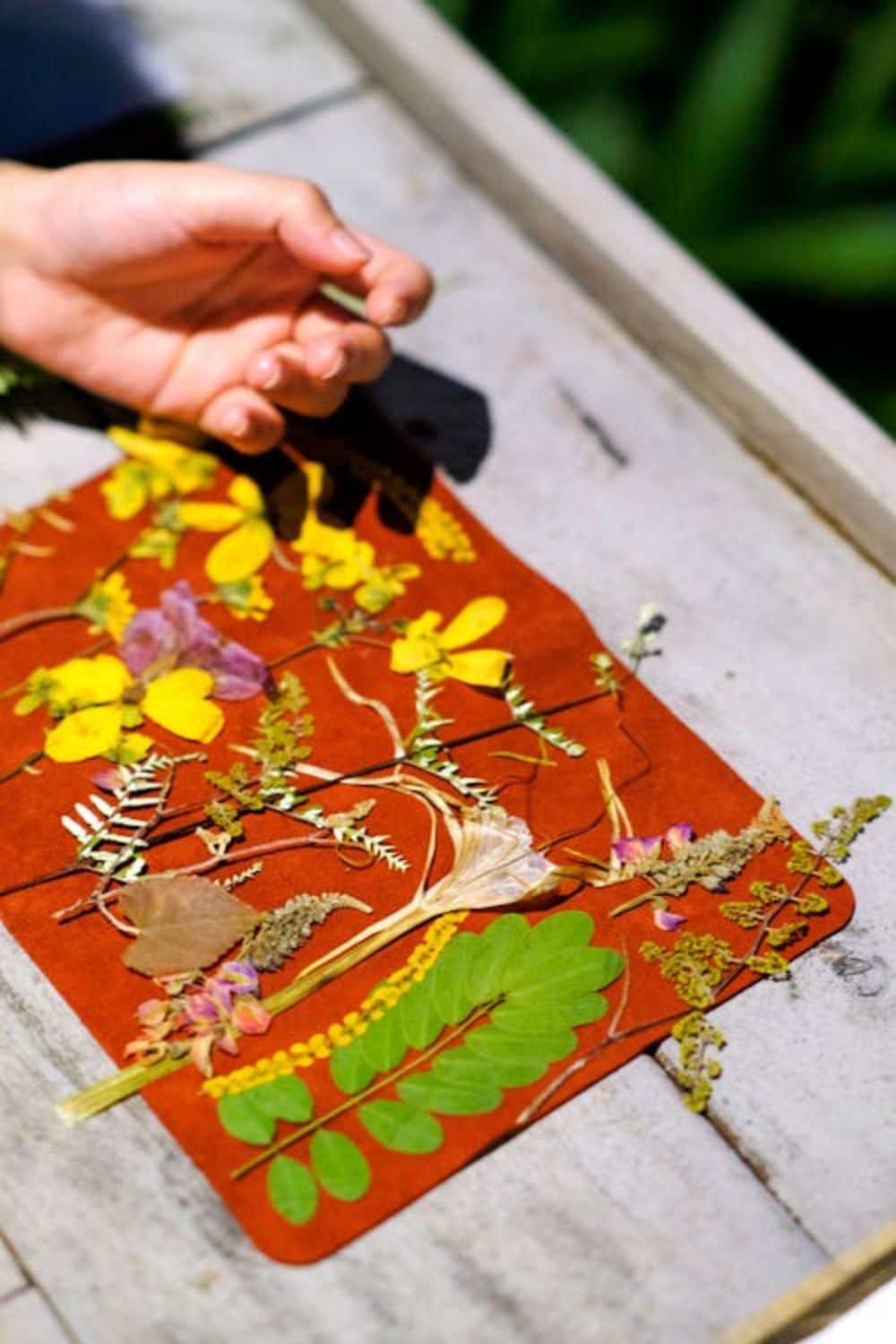
Flower pressing has always felt like capturing a tiny moment in time. I remember pressing daisies from my garden in an old book, just hoping they’d stay pretty. Honestly, it’s slower than some crafts, but it’s kind of relaxing watching them flatten and dry. I’ve found that using wax paper and heavy books works better than just shoving them between plain pages.
In my opinion, it’s not just for decoration. Once pressed, flowers can be used for bookmarks, cards, or even framed as tiny nature paintings. Kids usually squeal when they see the delicate petals staying perfect after a few days. It feels like a little victory, like nature has gifted you a permanent piece of itself.
Pinecone Animals

Making pinecone animals always cracks me up. There’s something so ridiculous and cute about turning a pinecone into a little hedgehog or owl. I usually gather a handful of pinecones and a ton of googly eyes, felt, and pipe cleaners. Honestly, I’ve never met a kid who didn’t squeal when they get to glue things onto a pinecone.
To be fair, it can get messy with glue sticking everywhere, but the outcome is totally worth it. My nephews once made a whole zoo out of pinecones, and we ended up laughing for hours at the tiny “zoo exhibition” on the kitchen table. I’d say, don’t stress perfection—each pinecone has its own personality anyway.
Rock Painting
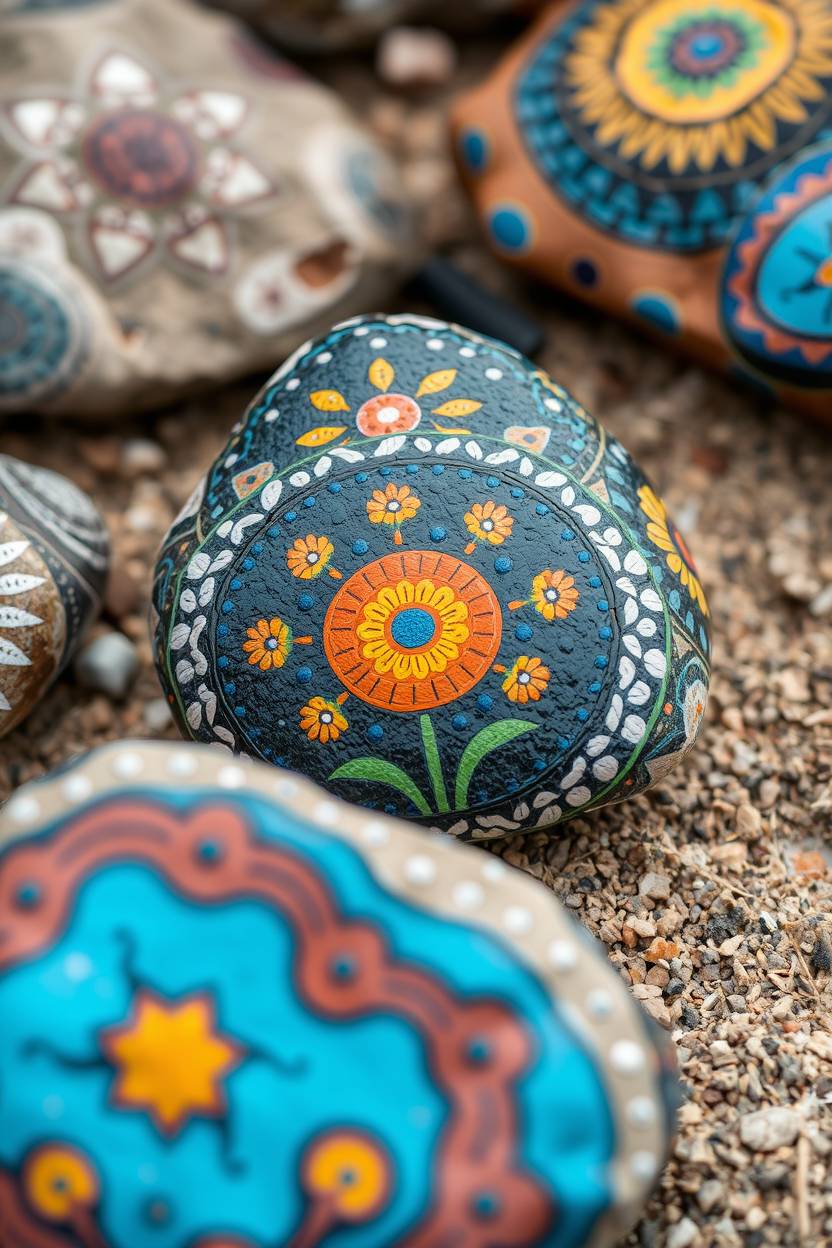
Rock painting is one of those crafts that’s instantly satisfying. I’ve found that smooth river rocks work best—they feel cool in your hands, and the paint sticks beautifully. Honestly, my first try was a disaster with some jagged rocks, but then it clicked. Kids love imagining little characters or painting fun patterns.
In my opinion, the best part is hiding them around the neighborhood or garden. There’s something oddly joyful about finding a rock you painted weeks ago while watering plants. To be fair, it can take patience to let layers dry, but watching a dull rock turn into a tiny masterpiece is worth it.
Nature Collages
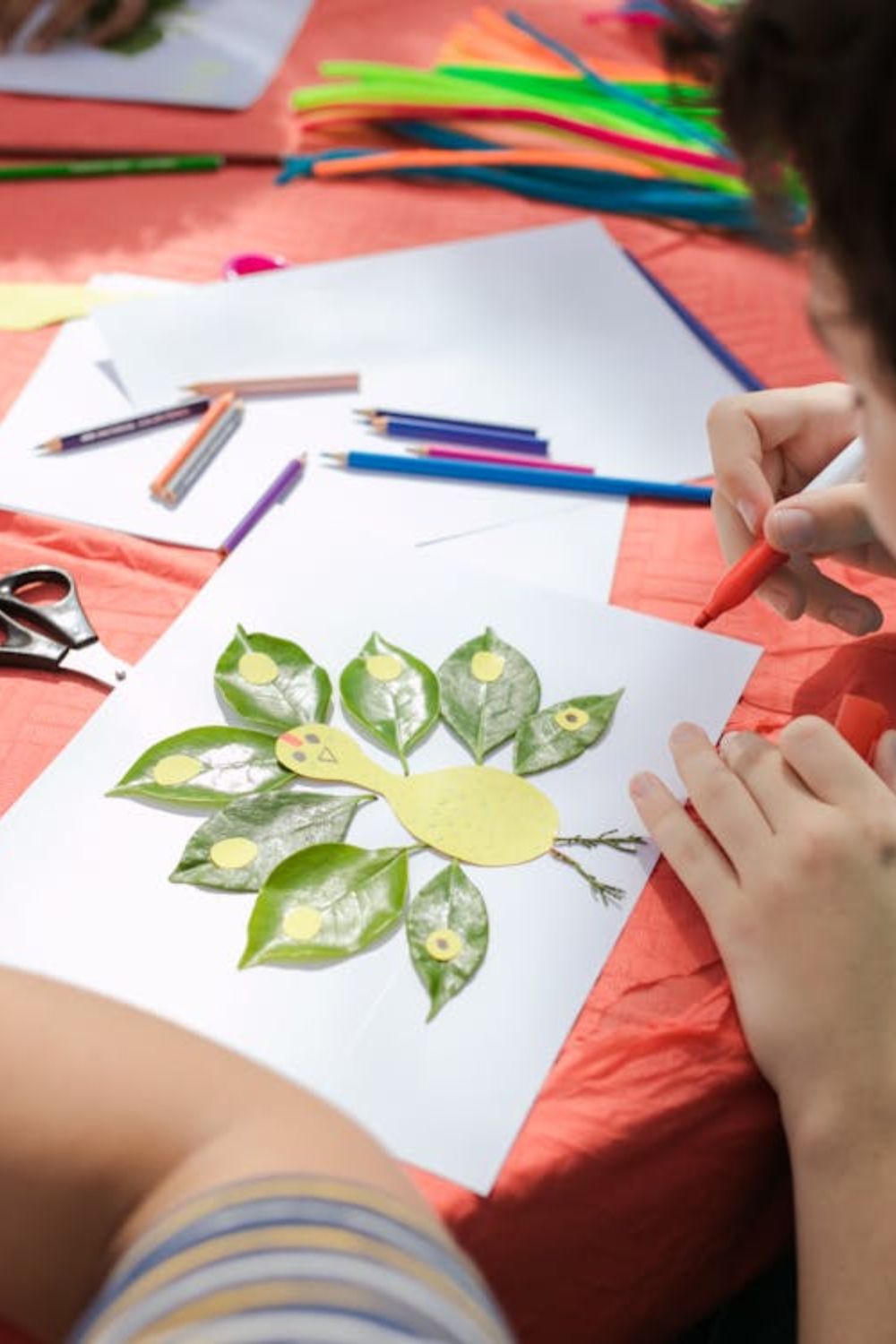
Nature collages have a way of making the outdoors feel like a treasure trove. I remember dragging a bag full of twigs, leaves, and petals from the park and just dumping it all on the table. Honestly, kids go wild for this—they love picking “just the right piece” for their picture. I’ve found that glue sticks work better than liquid glue at first; less mess, more control.
In my opinion, layering textures makes it extra special. You can use bark, tiny flowers, seeds, or even bits of moss. The final collage feels alive, like a little slice of nature captured on cardboard. Every kid’s version is so unique—it’s impossible to make two look the same, which I secretly love.
Stick Frames
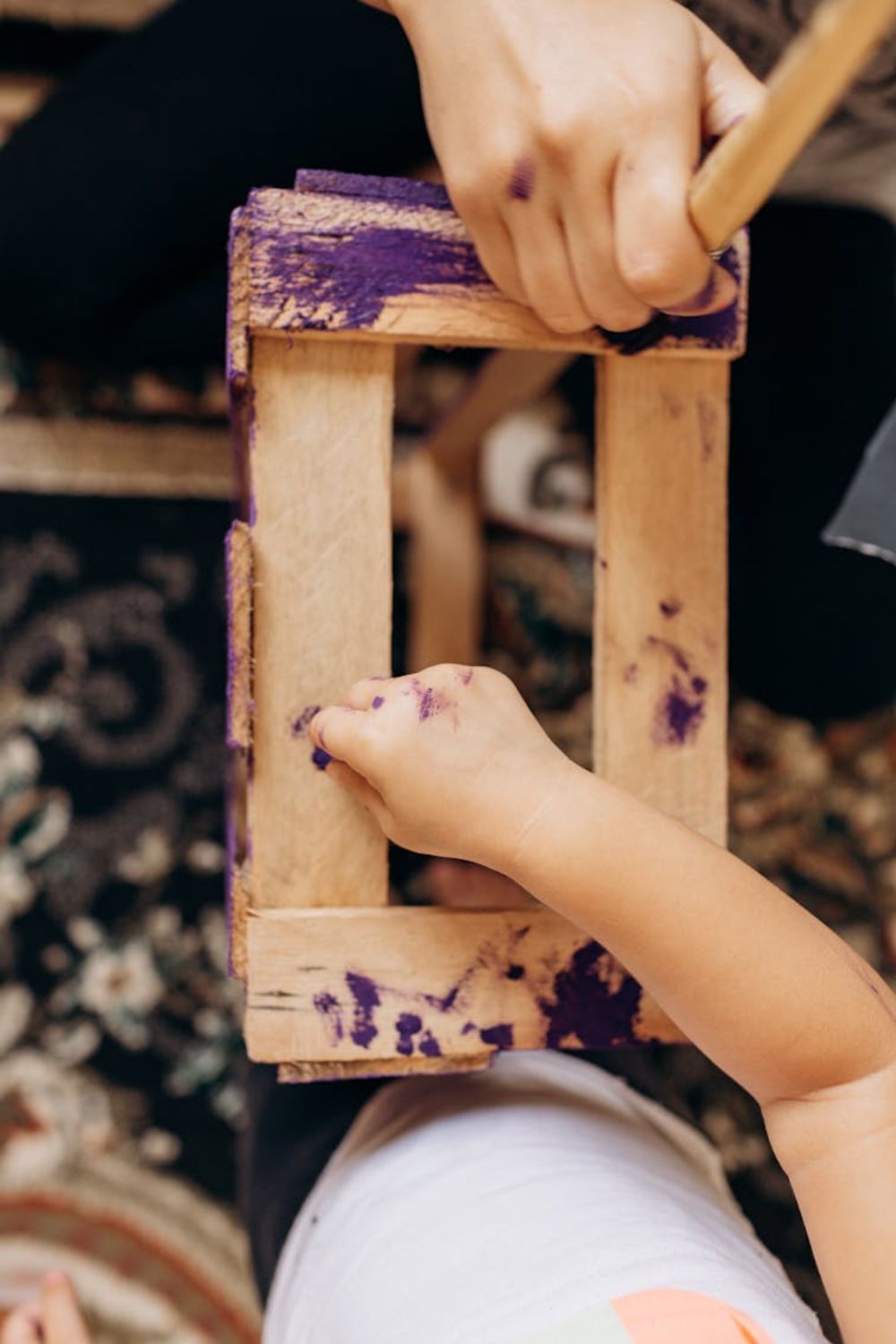
Stick frames are one of my go-to crafts when I want something simple but fun. Honestly, all you need are a few sticks, some glue, and a bit of imagination. I’ve found that breaking sticks into uneven sizes gives the frame more character, and kids love arranging them in funny patterns.
To be fair, glue takes a while to dry, so patience is key. But once it’s done, framing a photo or drawing in a handmade stick frame makes it feel super personal. I even remember my niece proudly gifting one to her grandma—it instantly became a treasured little keepsake.
Acorn Necklaces
Acorn necklaces are honestly adorable, and they make kids feel like little forest fairies. I’ve found that drilling tiny holes carefully through acorns works best, but you might need an adult for that part. Honestly, threading them onto yarn or string is the most fun for the kids—they can mix acorns with beads or tiny charms.
To be fair, some acorns split, but it’s okay; it adds character. I once made a necklace with my cousin, and she wouldn’t stop wearing it all week. In my opinion, these little crafts make kids feel super proud—they made something wearable from nature itself, which is kind of magical.
Sand Art
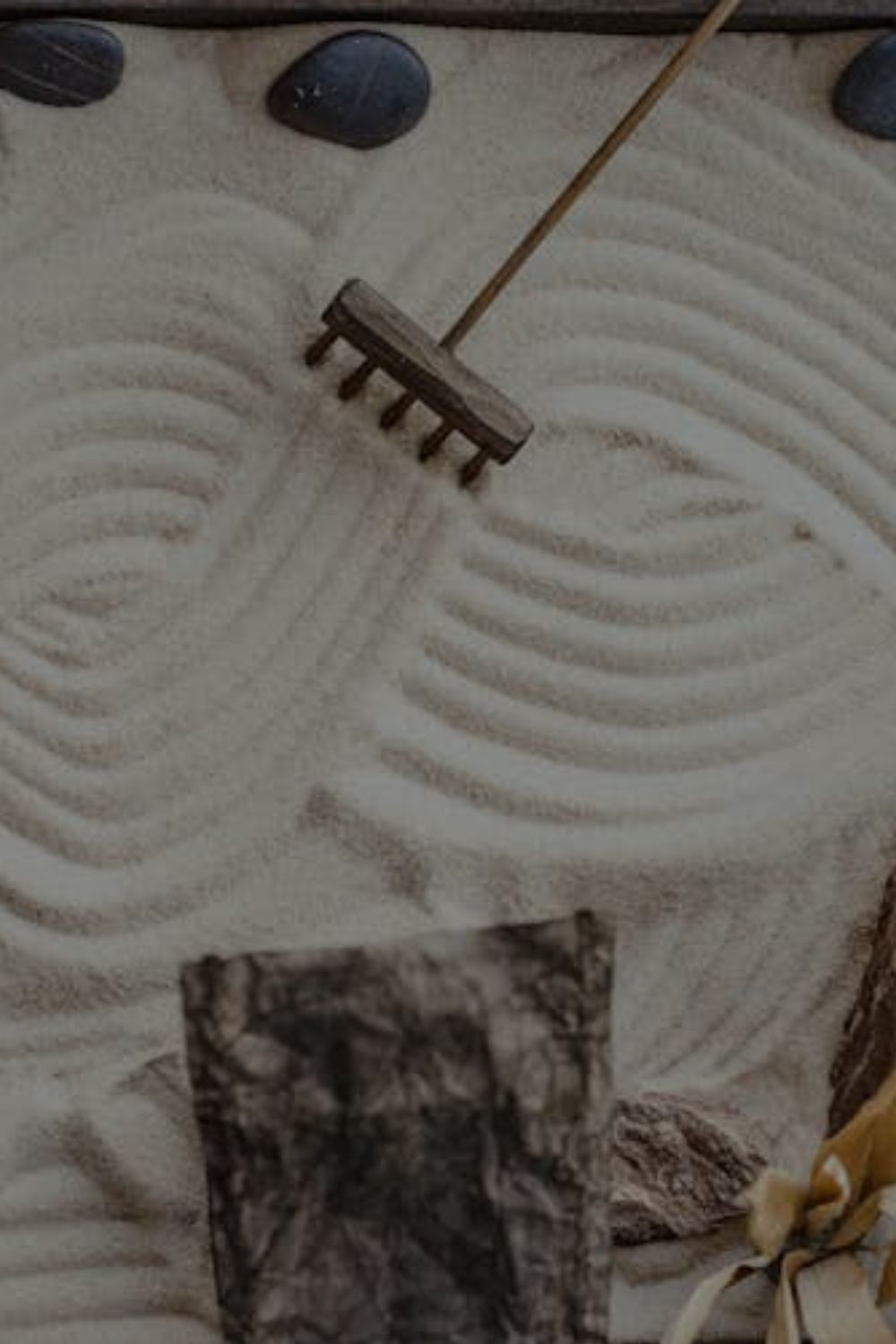
Sand art is probably the messiest but happiest craft ever. I’ve found that layering colored sand in jars or bottles is way more satisfying than just dumping it in. Honestly, watching colors swirl and stack is oddly calming, even for me. Kids are mesmerized and can spend hours adjusting layers.
To be fair, sand everywhere can be a nightmare to clean, but the end result is worth it. In my opinion, it teaches patience and precision in a fun way. You can even add tiny shells, beads, or glitter for extra flair. Every jar ends up looking like a mini desert masterpiece.
Nature Mobiles
Nature mobiles are honestly one of my favorites because they’re like hanging little pieces of the world in your room. I’ve found that using twine and a mix of leaves, feathers, and small pinecones gives it a balanced look. Kids love tying things themselves—it’s surprisingly therapeutic.
To be fair, it takes a bit of trial and error to balance everything so it hangs nicely, but the end result is magical. I once made one with my niece, and it spun in the breeze so beautifully that we couldn’t stop staring at it. Honestly, mobiles have this tiny calming effect that’s totally underrated.
Tree Bark Rubbings

Tree bark rubbings always feel like a tiny adventure. I’ve found that crayon or graphite works best—you just press paper on the bark and rub gently. Honestly, it’s fun to feel the textures pop through. Kids love discovering the “hidden patterns” that trees naturally make.
To be fair, paper can tear if you press too hard, but that’s okay—it adds a rustic touch. In my opinion, this craft also sneaks in a little nature lesson. Each tree feels different, and kids get curious about the textures. We once made a whole collection of rubbings from our backyard trees—it felt like a mini art museum.
Seed Art
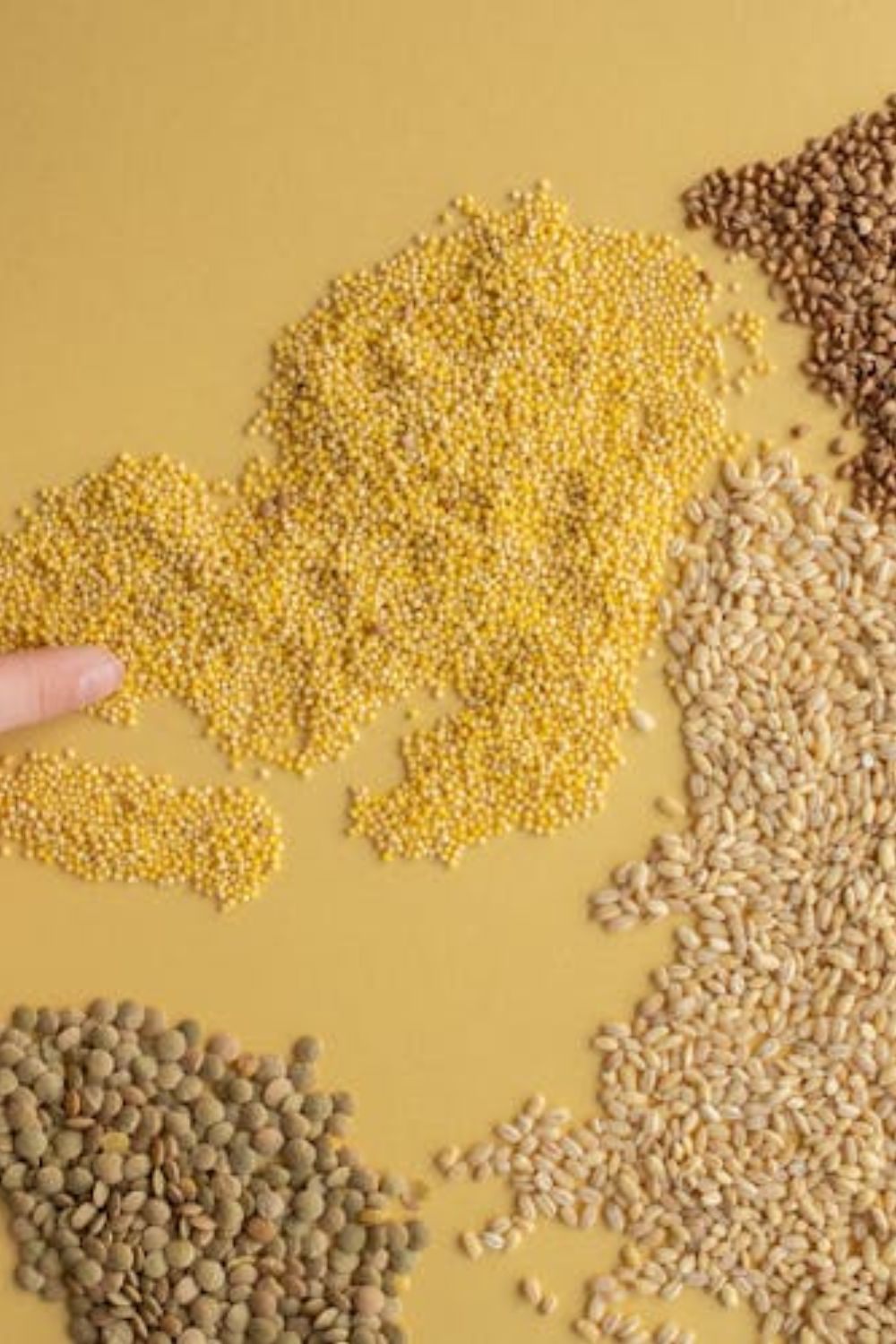
Seed art is surprisingly fun and a little addictive. I’ve found that small seeds, beans, or grains work best—you can make patterns, shapes, or even mini mosaics. Honestly, I wasn’t sure kids would enjoy the tiny fiddly pieces, but they go crazy for it.
To be fair, it takes patience and a steady hand. I usually prep trays with glue so they can sprinkle seeds over it. In my opinion, the best part is seeing a blank space turn into a colorful, textured design. One afternoon, my niece and I ended up making a tiny garden scene—it felt like planting art instead of plants.
Pebble Mandalas
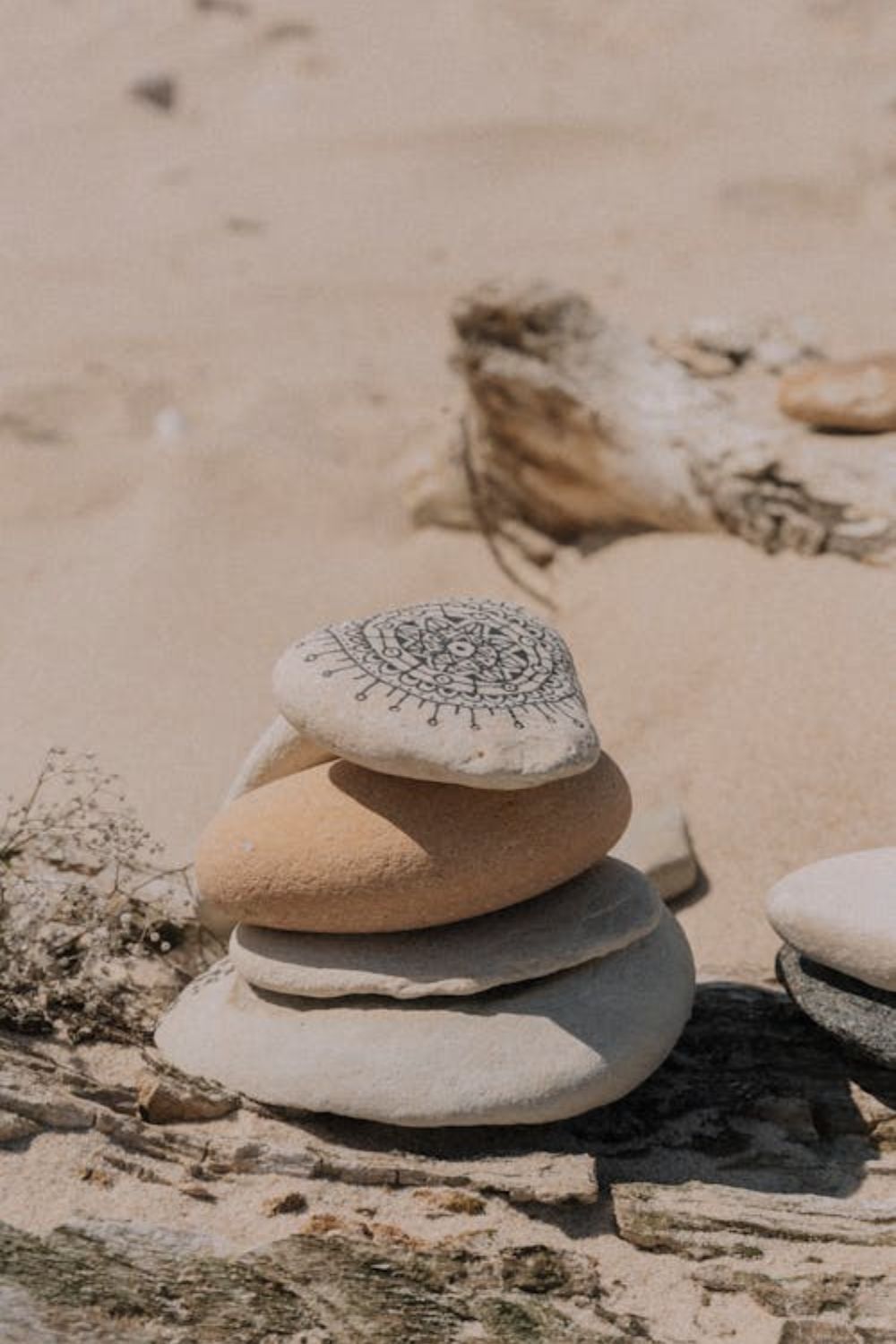
Pebble mandalas are one of those crafts where time seems to fly. I’ve found that arranging smooth stones in patterns is super relaxing. Honestly, kids love picking stones by size or color and watching the shapes emerge. It’s like a puzzle that you also get to admire as art.
To be fair, it can take patience to get symmetry right, but honestly, it doesn’t need to be perfect. I’ve ended up making tiny mandalas on the patio just for fun, and they always look beautiful. In my opinion, it’s also a sneaky way to teach kids about shapes and balance without making it a lesson.
Leaf Crowns
Leaf crowns honestly feel like the easiest way to make someone feel like royalty. I’ve found that flexible leaves or long grasses work best—you just twist and tuck them into a circle. Honestly, kids love wearing them immediately, taking selfies, and pretending they’re forest kings or queens.
To be fair, crowns can droop if the leaves are stiff or dry, but I secretly like that—it makes them look rustic. In my opinion, it’s a craft that sparks imagination instantly. One day, my niece wore hers for hours, and it was hilarious and adorable seeing her prance around pretending to rule the backyard.
Shell Decorations
Shell decorations are a little piece of the beach at home. I’ve found that gluing shells onto frames, jars, or even just stringing them makes for fun décor. Honestly, it’s so satisfying arranging the shells just right—it’s almost like playing with natural jewels.
To be fair, shells can be tricky to glue, and little pieces can break. But honestly, the end result feels worth it. In my opinion, kids feel super proud showing off their “treasures.” I remember making a shell wind chime, and it rang so prettily in the breeze—we were both grinning like idiots.
Twig Sculptures
Twig sculptures are honestly a total favorite for creativity. I’ve found that twisting, tying, and gluing twigs can make the wildest little figures. Honestly, kids get ridiculously proud when they turn a simple twig into a tiny horse, star, or abstract shape.
To be fair, it can be frustrating if twigs snap or don’t balance. But honestly, that’s part of the fun—you just adapt. In my opinion, it teaches resourcefulness. One rainy afternoon, we made a whole mini forest of twig sculptures on the table, and it honestly looked like a tiny enchanted world.
Benefits of Nature Crafts
Nature crafts are not just fun—they help kids learn, grow, and connect with the world around them. By using natural materials in creative ways, children gain important skills while enjoying hands-on activities. Here are some key benefits:
-
Encourages creativity and imagination: Kids can invent new designs, mix materials, and express themselves freely.
-
Teaches kids about plants, animals, and the environment: Working with natural items helps children understand and appreciate nature.
-
Helps develop fine motor skills: Cutting, gluing, painting, and arranging small objects improve hand-eye coordination and dexterity.
-
Promotes mindfulness and outdoor exploration: Crafting with nature encourages kids to slow down, observe their surroundings, and enjoy the outdoors.
FAQ
What age is suitable for nature crafts?
Nature crafts can be adapted for all ages, from toddlers to older kids, with materials and instructions suited to their skill level.
What materials do I need for nature crafts?
You can use leaves, flowers, sticks, stones, pinecones, shells, along with basic craft supplies like glue, scissors, paint, string, and paper.
How can I keep natural materials from spoiling?
Press leaves and flowers, seal painted rocks with varnish, and store crafts in a dry, cool place to preserve them.
Are nature crafts safe for kids?
Yes, as long as you use non-toxic paints and glues, supervise young children, and avoid sharp objects or potentially harmful plants.

Hi, I’m Victoria, an art and craft teacher at Newark City Schools, where I have the joy of working with middle school students to help them explore their creativity and develop their artistic talents. I believe that art is a powerful way for students to express themselves, and I strive to make every lesson a fun, engaging, and inspiring experience.
I created this website to share the art and craft projects, techniques, and resources that I use in my classroom, hoping to inspire both educators and young artists alike. Whether you’re a teacher looking for new ideas or a student eager to try something new, I’m excited to provide creative tools and projects that anyone can enjoy.
When I’m not in the classroom, I love experimenting with different art forms and learning new crafting techniques. My goal is to help others discover the joy of making things with their hands, and I hope my website serves as a space for everyone to explore their creative potential.